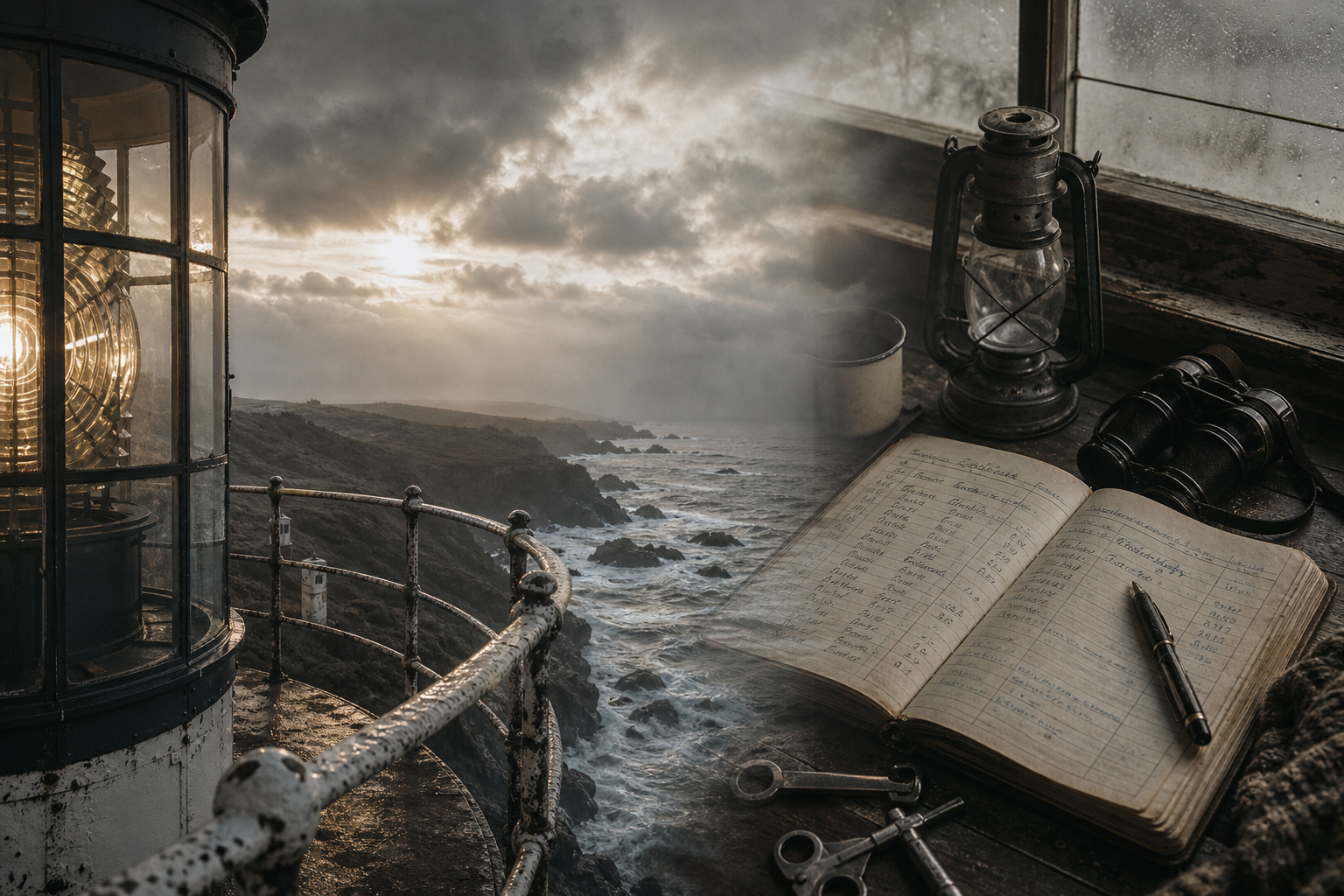
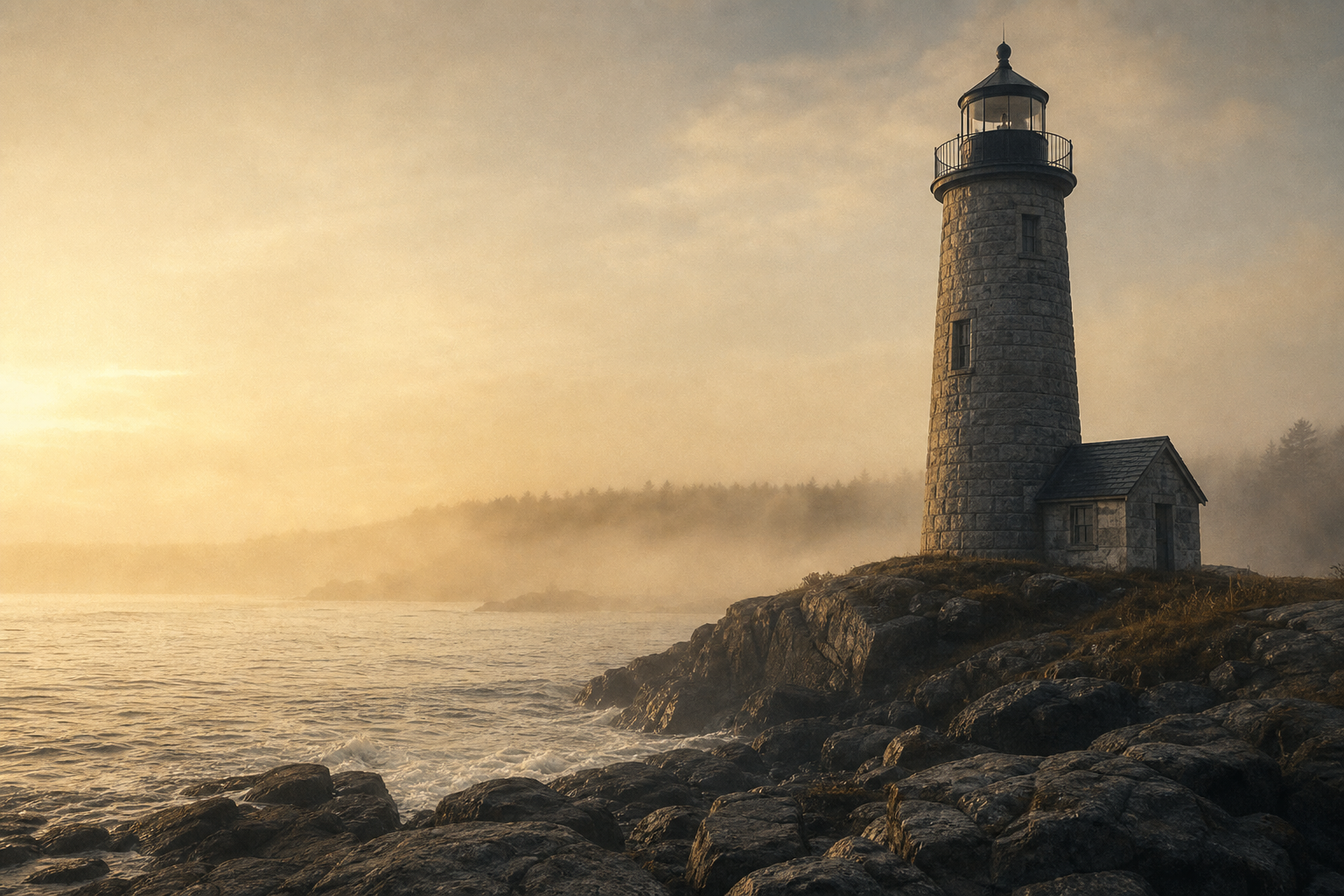
Warm film-style photograph of a solitary lighthouse on a misty northern shoreline at daybreak, with soft sea haze and muted golden light

Northern Coast Lighthouses Archive

Lights of the Northern Coast

Explore archive photos, keeper stories, and preserved towers that trace how these coastal beacons continue to shape maritime memory.

  • Weather logs
  • Night watchkeeping
  • Preservation records

Historical introduction

Why northern coast lighthouses became essential landmarks

Built along one of the coast's most volatile shipping corridors, these towers guided timber, fish, and cargo vessels through fog, reefs, and winter squalls. Their keepers translated weather, light, and tide into safe passage—work now preserved through restoration records and public stewardship.

Continue to the archive map of preserved towers to trace what still stands.

  • Trade routes depended on fixed night beacons.
  • Storm forecasting often began in keeper logs.
  • Navigation charts evolved around documented light ranges.
  • Preservation teams now protect both towers and records.
Archive themes

Heritage markers at a glance

A quick scan of the archive’s core themes before the deeper timeline and keeper narratives.

Coastline Watch

Beacon routes, headlands, and shifting shorelines.

Keeper Life

Daily routines, isolation, and practical skill.

Storm Records

Fog, wind, and nights of difficult passage.

Lantern Engineering

Optics, fuel, and evolving light technology.

Preservation Work

Repairs, stewardship, and local memory.

Harbor Memory

Trade, arrivals, and community landmarks.

Northern coast chronology

Beacon history at a glance

A quick editorial timeline connecting key shifts in lighthouse history before you move into the keeper profiles.

Early Signals

Headland fires and simple beacons

Before formal towers rose, coastal warnings were sparse, local, and weather-bound.

Harbor Expansion

Permanent lights shaped safer routes

As trade intensified, stronger lighthouse networks helped guide vessels through busy approaches.

Keeper Era

Lives organized around the lantern

Routine maintenance, watch schedules, and storm vigilance defined the human engine behind the light.

Automation

Technology changed the work

Modernization reduced daily labor while reshaping the social life once centered on staffed stations.

Preservation

Historic towers entered a new chapter

Community groups and heritage bodies helped conserve surviving sites for future generations.

Next: keeper stories and first-person records from the stations.

Keeper Portraits

Lives behind the lamps

Short records from the keepers who measured nights by weather, wicks, and watch logs.

Documentary-style archival scene for The Night Watch

The Night Watch

A keeper's routine began before dusk and ended only after the sea and weather had been read, lamps trimmed, and lenses checked again.

Documentary-style archival scene for Fog and Routine

Fog and Routine

On heavy-weather evenings, patience and repetition mattered as much as courage, with every small task supporting safe passage offshore.

Documentary-style archival scene for After the Storm

After the Storm

When rough seas damaged paths, windows, or outbuildings, lighthouse life became practical repair work as much as watchkeeping.

Archival photo block

Visual record of the northern lights and weathered stone

A compact set of documented frames from keeper routes and tower structures, arranged for quick visual reading before the preserved towers map.

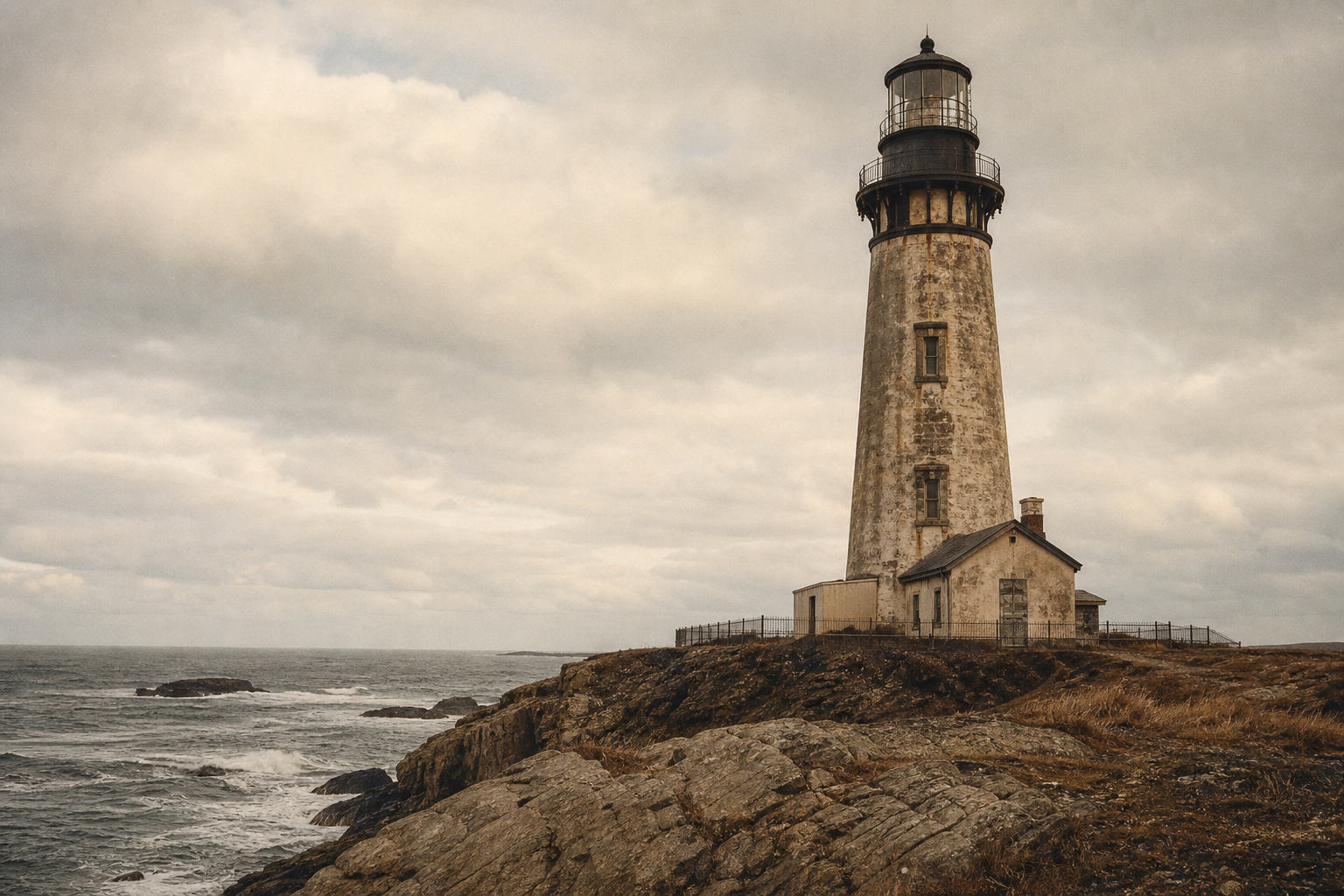
Lighthouse exterior on a weathered northern shoreline under overcast light
Outer tower wall and surf-cut stone, documented after late-season storms.
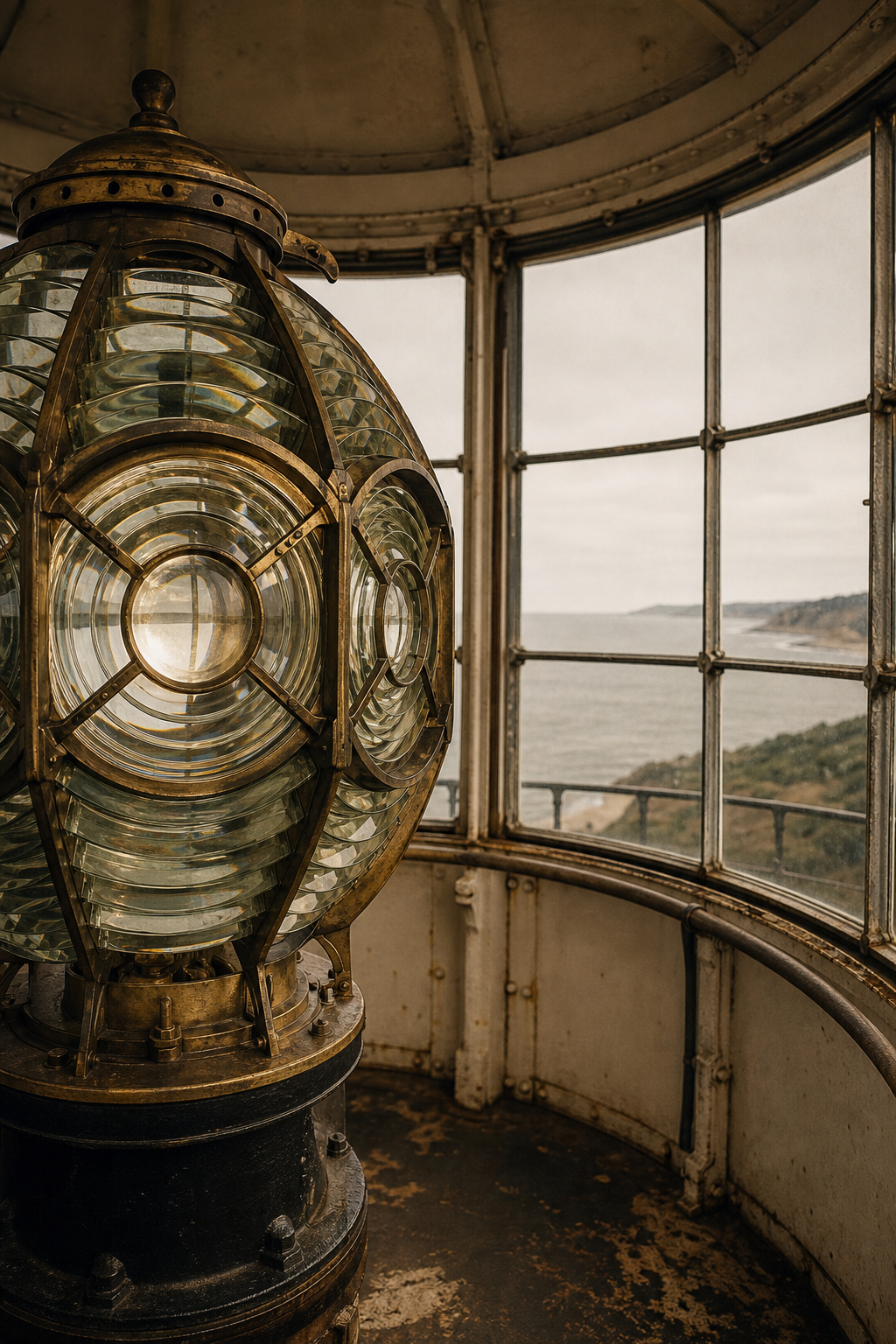
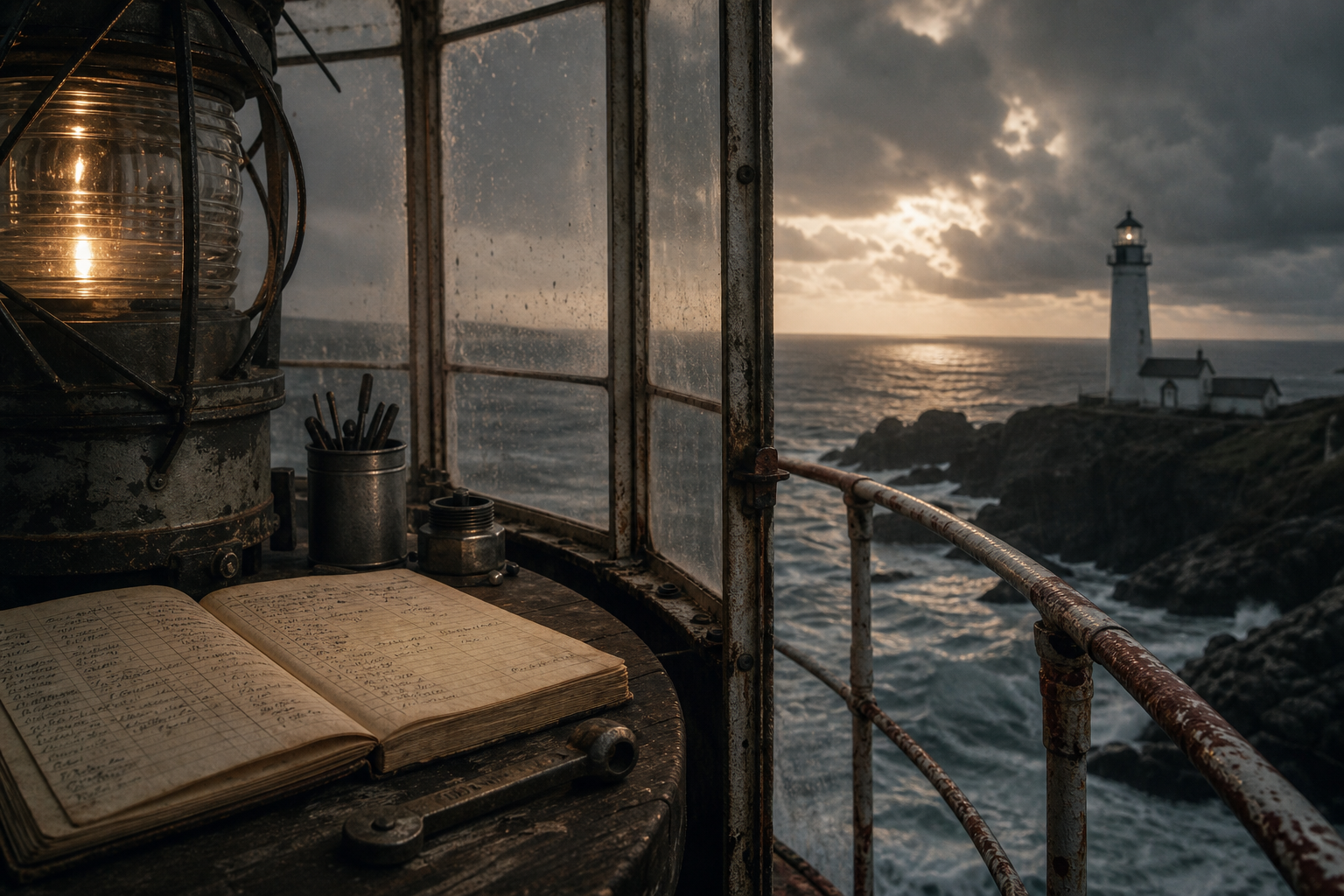
Lantern room interior with brass optics and weathered framing
Lantern glazing and lens assembly, with salt-softened metal trims.
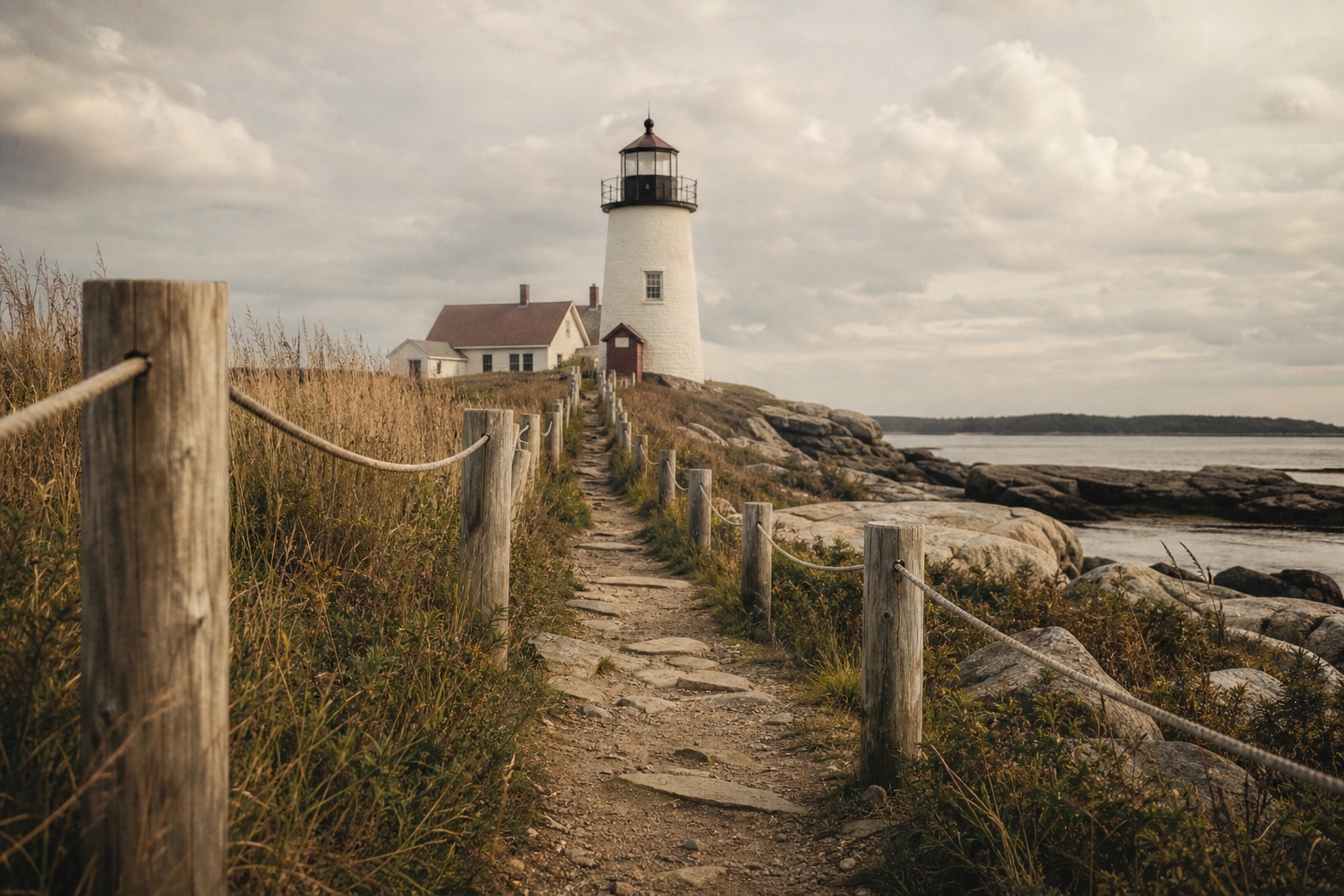
Shoreline approach path leading toward a coastal lighthouse
Keeper footpath from dunes to tower base, marked by worn timber posts.
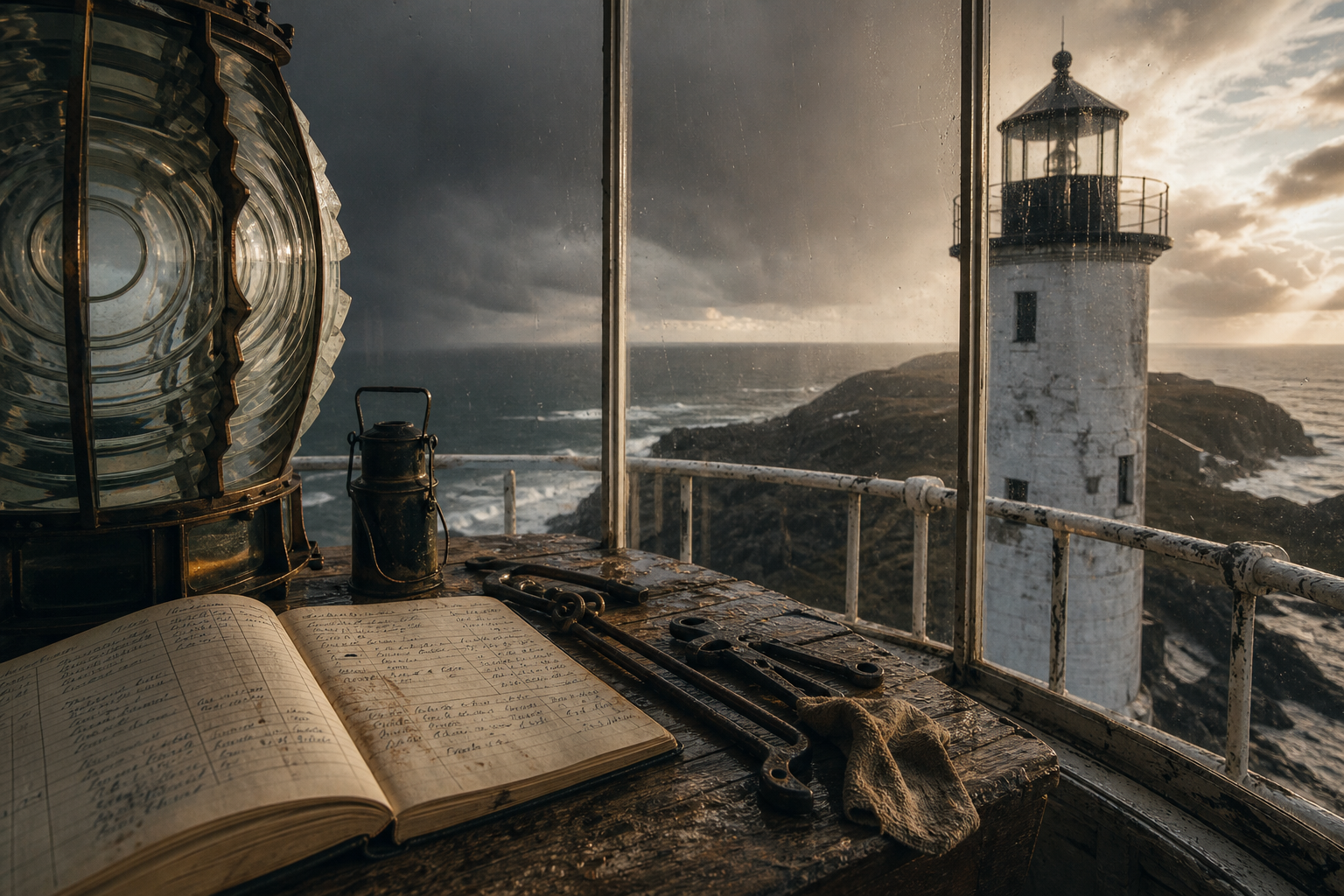
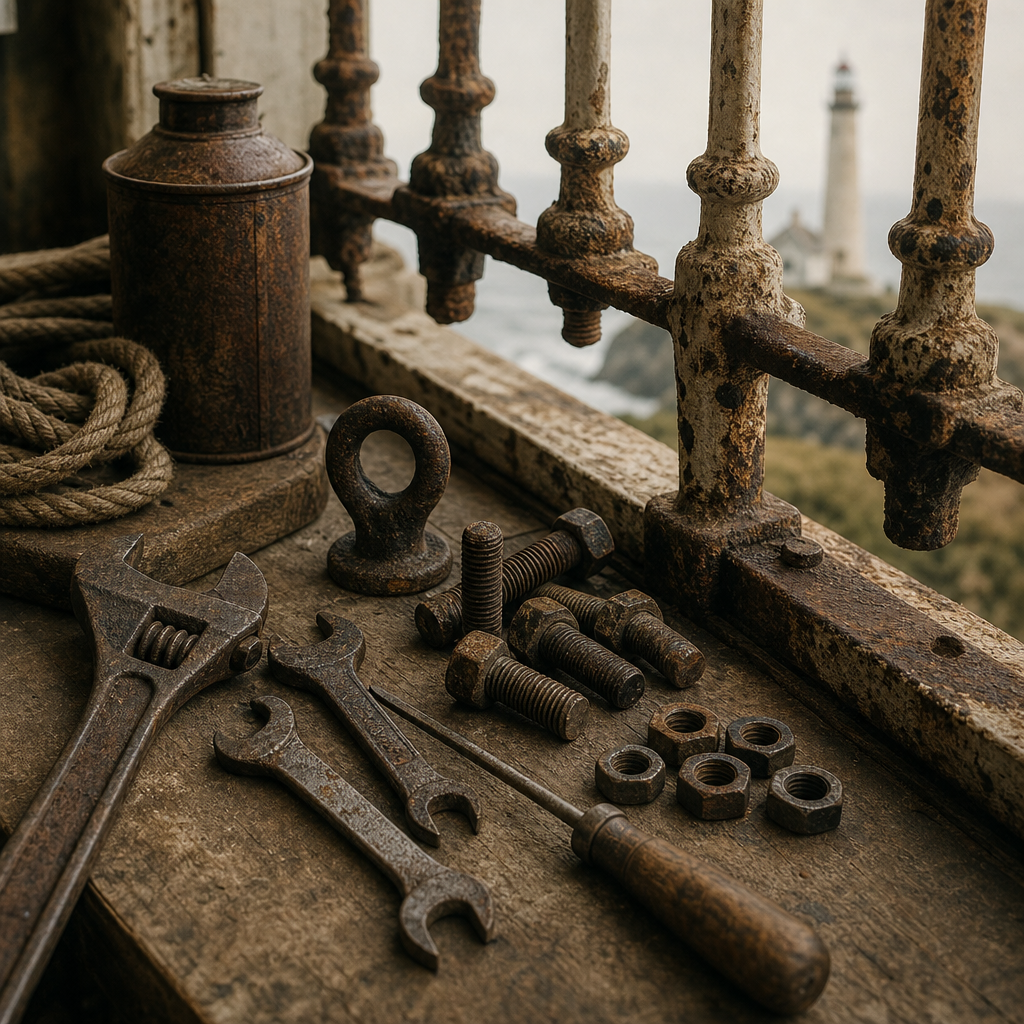
Weathered keeper details including tools and railings near the tower
Hand tools and rail sections carrying long-term salt wear and repair marks.

Cape Rowan

Gravel Reach

Harbor Watch

Storm Bell

Dune Point

Visit notes

Common reference questions for readers planning to explore preserved towers with care.

Can visitors access every preserved lighthouse site?

No. Some towers remain visible only from public paths or harbors, while others open during scheduled heritage days. Check posted local preservation notices before setting out.

How should weather and sea conditions shape a visit?

Coastal weather changes quickly. Wind, fog, and tide windows can affect path safety and visibility, so bring layered clothing and verify same-day local marine forecasts.

Is photography allowed at preserved lighthouse grounds?

Usually yes for personal documentation, but restrictions may apply inside keeper quarters or exhibits. Avoid blocking narrow paths, respect roped areas, and never disturb conservation work.

Where can readers find interpretation centers or local records?

Many preserved towers are connected to municipal archives, harbor museums, or volunteer societies. Start with each tower’s local stewardship listing for current interpretation hours.

When is seasonal visibility best for coastal lighthouse views?

Late spring through early autumn generally offers longer daylight and clearer access paths, while winter can provide dramatic skies but limited openings and shorter safe viewing windows.